A few years ago, everyone wanted to talk about Indonesia’s startup boom. The mood is different now, and honestly, that is worth understanding before you invest or partner here. Indonesia still has the largest startup ecosystem in Southeast Asia, but the easy-money era is over. Funding has cooled sharply, investors are far more selective, and the state is stepping in. Let me give you a clear, honest read on Indonesia’s startup and fundraising market in 2026 and what it means for you.
Indonesia’s startup market in numbers (2025-2026)
The size
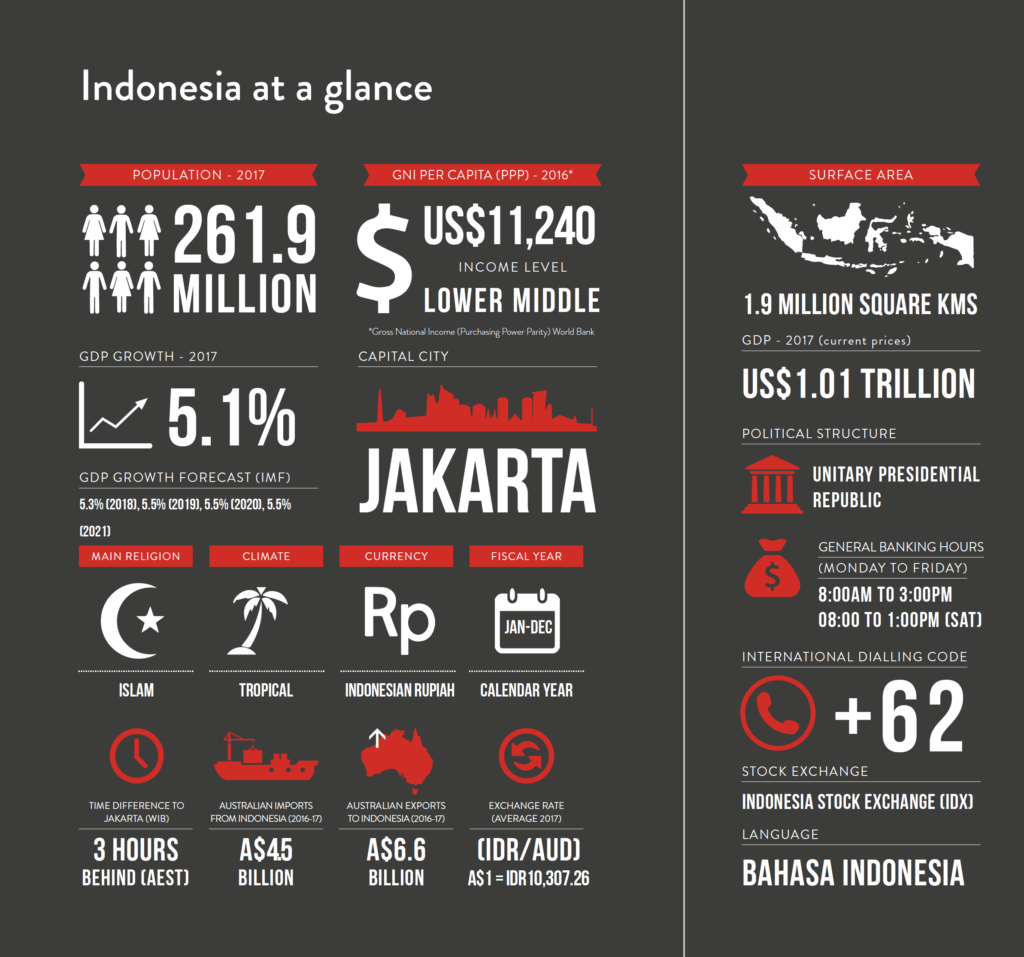
- 283 million people, the biggest market in Southeast Asia.
- A digital economy approaching $100 billion.
- Around 17 cumulative unicorns, the most in the region.
- Still the anchor of the regional startup scene.
The funding reality
- Venture funding fell from a $6.9 billion peak in 2021 to a few hundred million in 2025.
- Roughly $297 million raised across 61 deals in the first 11 months of 2025.
- About 90% of capital comes from foreign sources.
- Only about 15% of seed startups reached Series A in 2025.
What changed
- Investors moved from growth-at-all-costs to profitability.
- Later-stage funding is easier to find than early-stage.
- The state is taking a bigger role through new national funds.
- Capital concentrates in fewer, stronger companies.
Where the opportunity is
- Fintech, logistics and agritech remain strong.
- Clean energy, health tech and edtech are rising.
- A huge consumer base still drives digital demand.
- Quality over hype is the new rule.

What really happened to Indonesia’s startup boom
The story is simple, and it is not unique to Indonesia. Global money was cheap until 2021, and it poured into Southeast Asian startups, with Indonesia as the biggest target. When interest rates rose worldwide, that money pulled back fast. Funding fell from nearly $7 billion at the peak to a fraction of that in 2025. Investors stopped rewarding growth for its own sake and started asking a harder question: can this company make money?
What I find important is that the fundamentals did not disappear. Indonesia still has 283 million people, a digital economy near $100 billion, and the most unicorns in the region. The market did not shrink. The funding did. That gap between a huge market and cautious capital is exactly the situation a smart brand or investor should study, because it means less hype and more real opportunity for those who move carefully.
What this means for brands and investors
The consumer market is still huge
Whatever happens in venture capital, 283 million consumers keep shopping, banking and streaming online. If you sell products rather than raise funding, the cooling of startup money barely touches you. The consumer opportunity in Indonesia is as strong as ever.
Expect discipline, not hype
Partners and platforms are now focused on profitability. That is good for a serious brand. The companies that survived the downturn are leaner and more reliable to work with than the cash-burning startups of the boom years.
Watch the state-led shift
Indonesia is channelling more investment through national funds and a new super-holding, prioritising strategic goals and domestic outcomes. If you operate here, understand that policy and state capital now shape the market more than before.
Pick sectors with real demand
Fintech, logistics, agritech, clean energy and health tech attract the capital that is still flowing because they solve real problems for a huge population. Align with genuine local needs, not trends, and you are on firmer ground.

The mistakes to avoid
- Assuming the boom is still on. The easy-money era is over. Plan for discipline.
- Confusing funding with the market. Consumer demand stayed huge even as venture money fell.
- Chasing hype sectors. Capital now follows real demand and profitability.
- Ignoring policy. State funds and national priorities shape the market more now.
- Betting only on early-stage. Later-stage, proven companies are where capital is safer.
What this means for you
Indonesia remains the biggest opportunity in Southeast Asia, but the game changed from hype to discipline. The consumer market is still enormous, capital is more selective, and the state plays a bigger role. Enter with a clear plan and real demand behind you. For background, see the economy of Indonesia and how a startup ecosystem works.
Read next on our blog: our business tips for entrepreneurs in Indonesia and how to sell in Indonesia as a brand.
FAQ: Indonesia’s startup market
Is Indonesia still the biggest startup market in Southeast Asia?
Yes. With 283 million people, a digital economy near $100 billion and the most unicorns in the region, it remains the anchor of the ecosystem, even though funding has cooled.
Why did startup funding fall so much?
Global capital pulled back as interest rates rose, and investors shifted from growth-at-all-costs to profitability. Funding dropped from a $6.9 billion peak in 2021 to a few hundred million in 2025.
Does the funding slowdown affect consumer brands?
Not much. The 283-million consumer market keeps shopping online. If you sell products rather than raise venture money, the opportunity is as strong as ever.
Which sectors still attract investment?
Fintech, logistics, agritech, clean energy, health tech and edtech, because they solve real problems for a huge population. Capital now follows demand and profitability, not hype.
Grow in Indonesia with GMA
At GMA, we help foreign brands reach Indonesia’s huge consumer market, whatever the funding cycle is doing. My team handles market entry, local digital marketing, e-commerce and distribution across Southeast Asia. If Indonesia is on your map, tell us about your project and we will map the first steps together.
About the author. Philip Chen is the co-founder and CEO of GMA (Gentlemen Marketing Agency), a French-Chinese agency that helps foreign brands grow across China and Southeast Asia. He has spent more than a decade on the ground in Asia building marketing and distribution for international brands. Connect with Philip Chen on LinkedIn.